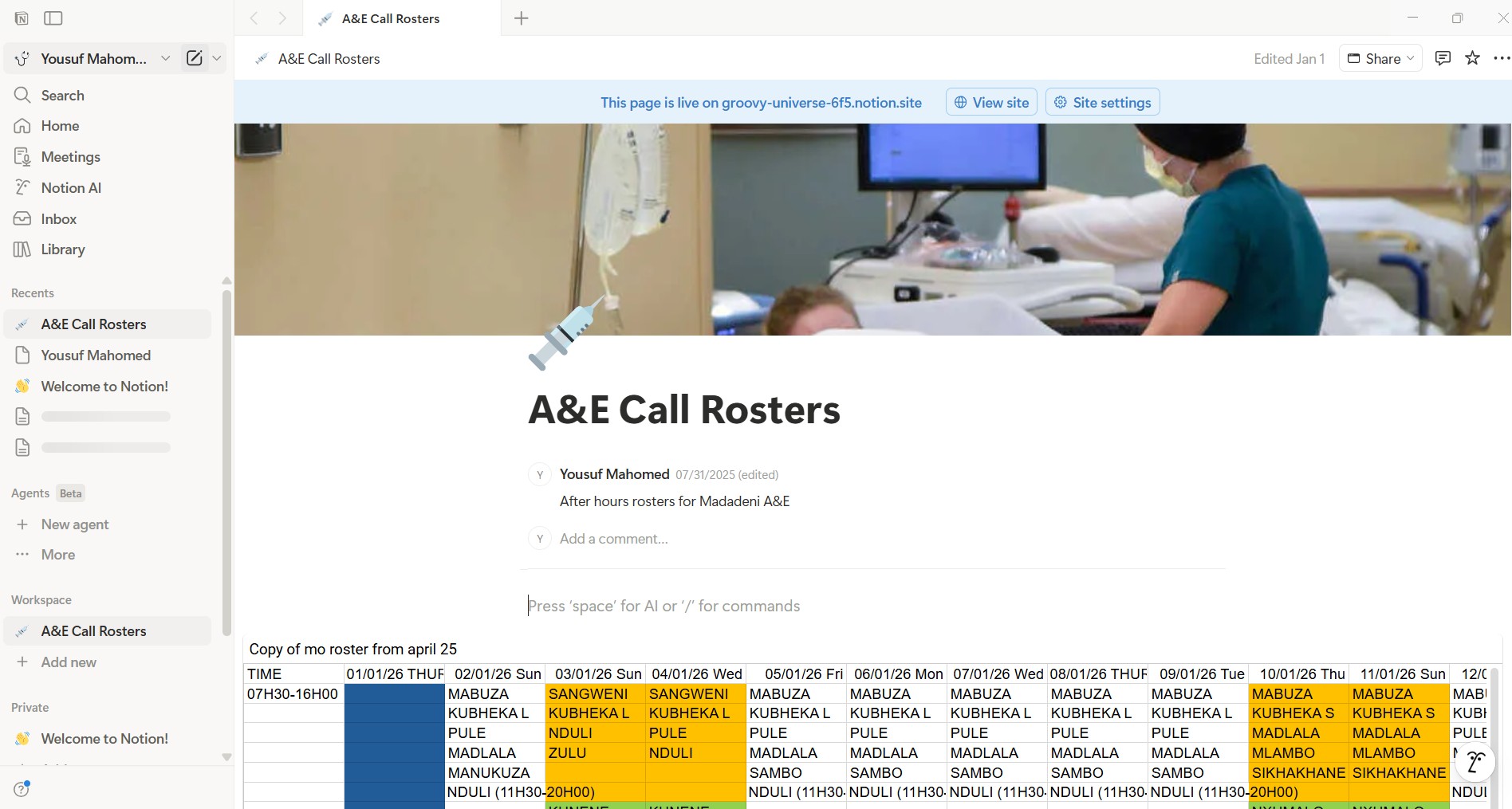
The "Night Call" Challenge
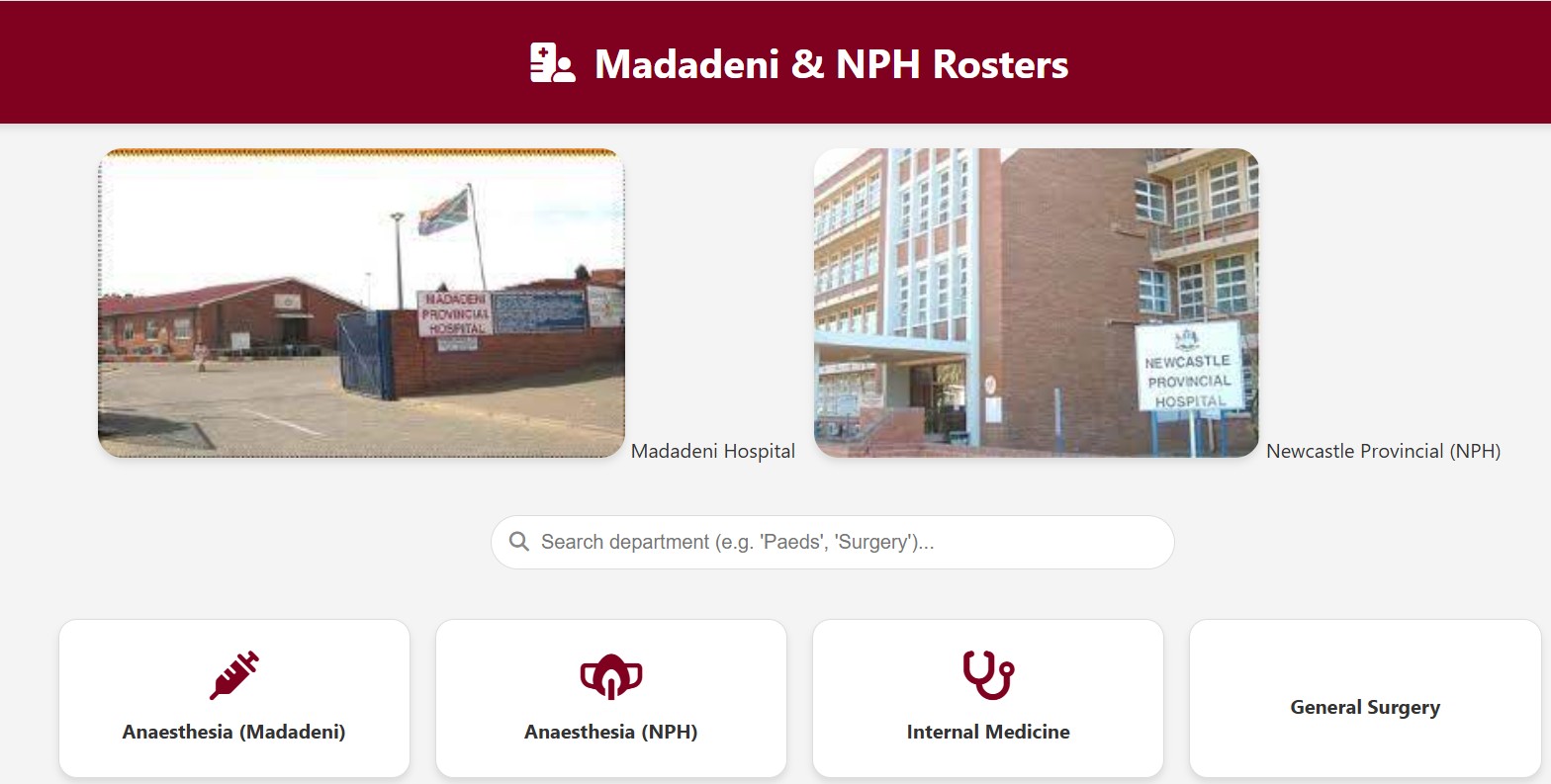
In our district, identifying the specific doctor on night call was a persistent bottleneck. While traditional methods like Google Sheets or scanned PDFs were considered, they failed to provide the **real-time accessibility** and **single source of truth** required for high-stakes medical staffing.
The Engineering Lifecycle
The project followed a rigorous **Agile methodology**, prioritizing stakeholder input and iterative refactoring to ensure the final product was shaped by actual clinical requirements.
[Image of the Software Development Life Cycle agile methodology]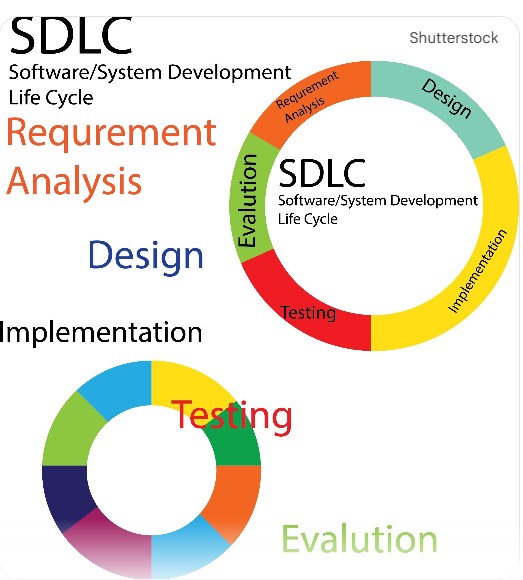
- Stakeholder Input: Gathering requirements from district HODs and management.
- Beta Testing: Real-world testing with clinicians to identify UI friction points.
- Technical Agility: Managed various logic branches via GitHub for seamless refactoring.
Institutional Resilience
While the solution was highly regarded by clinical leadership, the primary hurdle was navigating slow-moving administrative systems. Although inertia prevented full official adoption, the platform serves as a high-fidelity proof-of-concept for modernizing healthcare staffing.
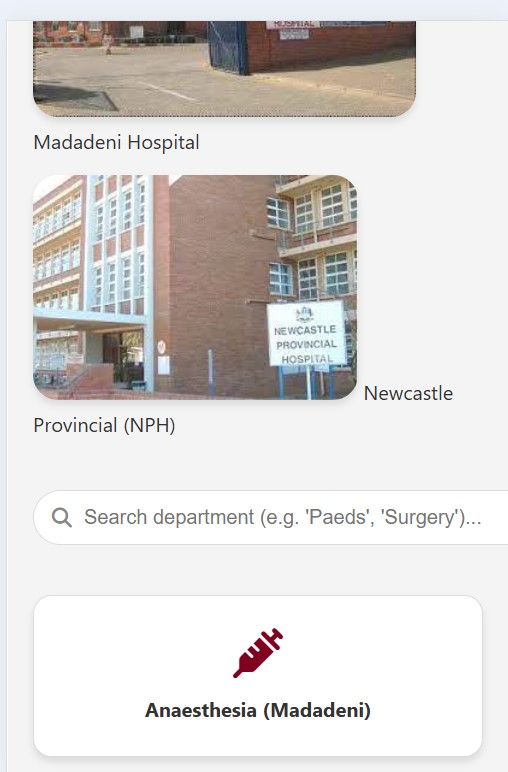
Optimized for "on-the-go" clinical use across the district.
Phase 2: The Notion ED Engine
Applying the same architectural logic, I developed a secondary, highly complex **Electronic Emergency Department Roster** via Notion. This manages granular departmental staffing and remains an active tool in my management toolkit today.